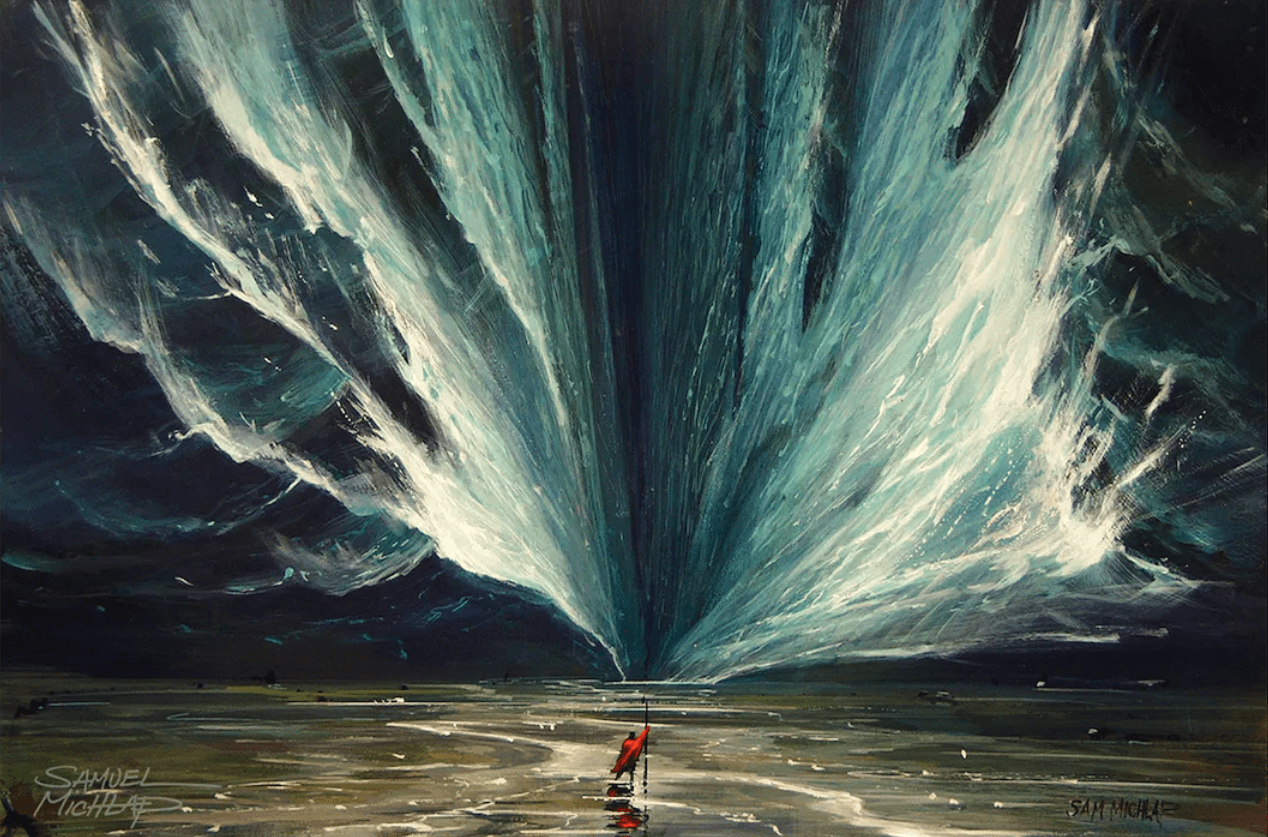
1. Who made man’s power?
“Take the staff in your hand…with it, you shall do my wonders”
Exodus 4:17
Our world is shaped by the tools we humans hold in our hands.
The arc of humanity is the arc of the use of these tools. For most of our history, our tools were simple. A hunter’s bow. A farmer’s plough. Clay, bronze, iron. Each tool expanded the reach of humans a little further across the savannah.
Then came the industrial revolution in England and something qualitatively different happened. We stopped relying on individual strength and craft alone, and began to bind matter, energy and information together into organised systems of production. We learned to stack machines, supply chains, standards and skills into something greater than any one person or workshop.
Industrialisation did not just give us more stuff. It gave us:
Prosperity – the ability to make far more than we consume and escape the Malthusian trap.
Security – arsenals, logistics and infrastructure that protect us.
Purpose – a shared goal larger than any one town or tribe, visible in the skylines and the skies.
Every time a new general-purpose technology appears, it offers us a new tool or staff to hold. Steam. Electricity. Semiconductors. The internet. Each time, the question is the same: who will have the courage, discipline and imagination to pick it up and remake the real economy with it?
Artificial Intelligence is the next one of these staffs.
You may not have realised it, but the battle for bits is almost over. The battle for atoms is about to begin. Our test is whether we can embed intelligence all the way down into the machine tools, work flows and factories that actually shape the physical world.
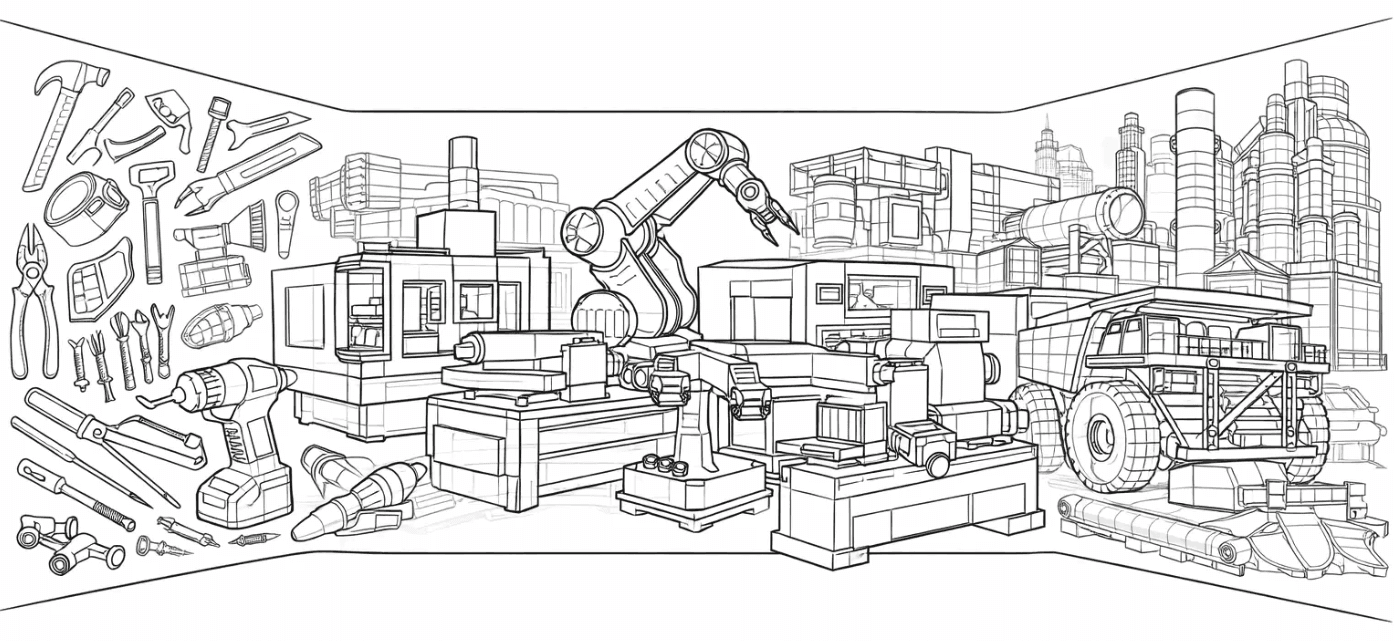
The call to greatness is rare.
It arrives as a set of hard problems, an unforgiving timeline and a truth that if we do not find a way, no one will. Isembard exists for that moment. Our ambition is not to be another software or hardware company. It is to take the staff in our hands and build. Build to serve free nations, resilient economies and for people to find meaning again. And maybe even to colonise the stars.
Follow us, to the promised land.
2. The prophecy
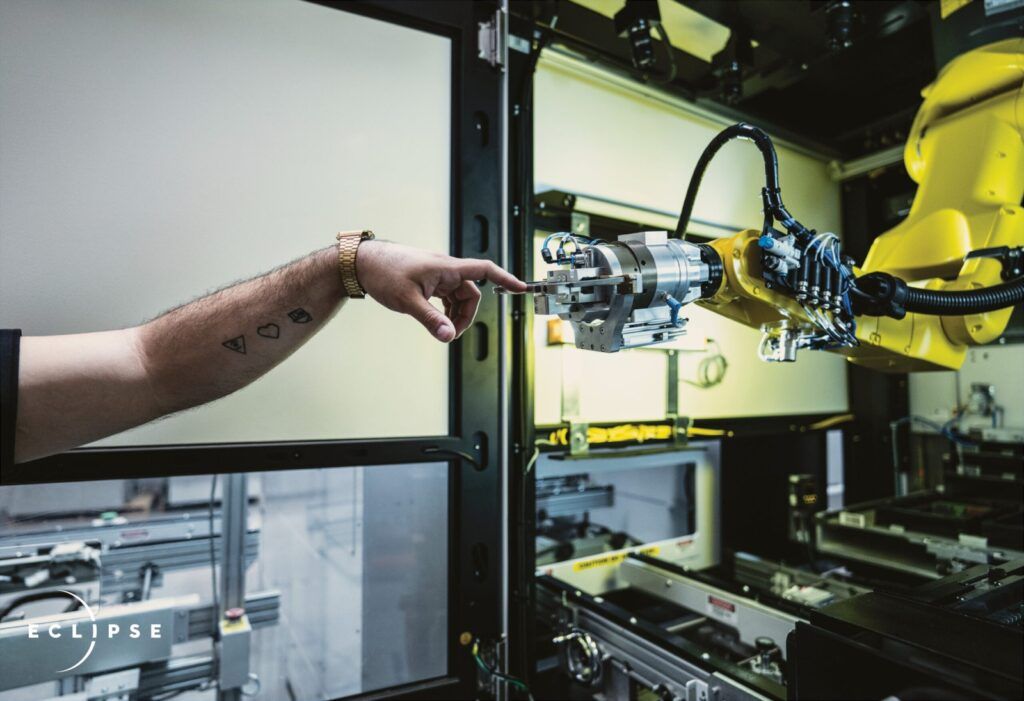
History is obvious in hindsight. Today, two forces will define the next few decades:
Geopolitics – the return of great power competition, war, might is right, the end of the rules based international order and contested supply chains.
AI – a general-purpose technology that has yet to sustain itself outside of knowledge work.
The geopolitical map is being redrawn. Europe either discovers a new industrial spirit or becomes a museum of its own past. America either renews its capacity to build at home or discovers the hard way what dependency means. India rises as a manufacturing and software power simultaneously. The Gulf converts hydrocarbon wealth into industrial capacity and defence autonomy. Nations will discover that deterrence now depends on how quickly they can design, certify and field new systems. The bottleneck will not be ideas or capital. It will be the ability to turn designs into qualified, high-trust production at scale.
The countries and companies that win from 2025–2035 will be also the ones that rebuild their industrial base with intelligence woven through it. Consider the decade behind us. 2015 to 2025 was the age of proving that machine learning works: image models, language models, recommendation engines. 2025-2035 will be the age of embodied intelligence: AI systems that plan designs, plan production, plan factories and close the loop between simulation and steel.
Some understand this reality.
"Chinese founders talk about AI mostly as a technology to be harnessed rather than a fickle power that might threaten all. Rather than building superintelligence, Chinese companies have been more interested in embedding AI into robots and manufacturing lines. Some researchers believe that this sort of embodied AI might present the real path towards superintelligence."
2025 Letter, Author of Breakneck: China's Quest to Engineer the Future, Dan Wang
And beneath all of this a few stubborn truths remain.
The nature of work is changing from routine execution to higher-leverage coordination with intelligent tools. The irony of history means that “seizing the means of production” is no longer a communist slogan, it is a literal question of who owns and controls the machine-tools, data and processes that make the physical world. Manufacturing is in fact the fundamental rate limiter of everything that matters: defence, energy, space, robotics, infrastructure.
The prophecy, if we dare to name it, is simple: The next technological colossus will be the organisation that can marshall the productive spirit of the new intelligence age.
3. This other Eden
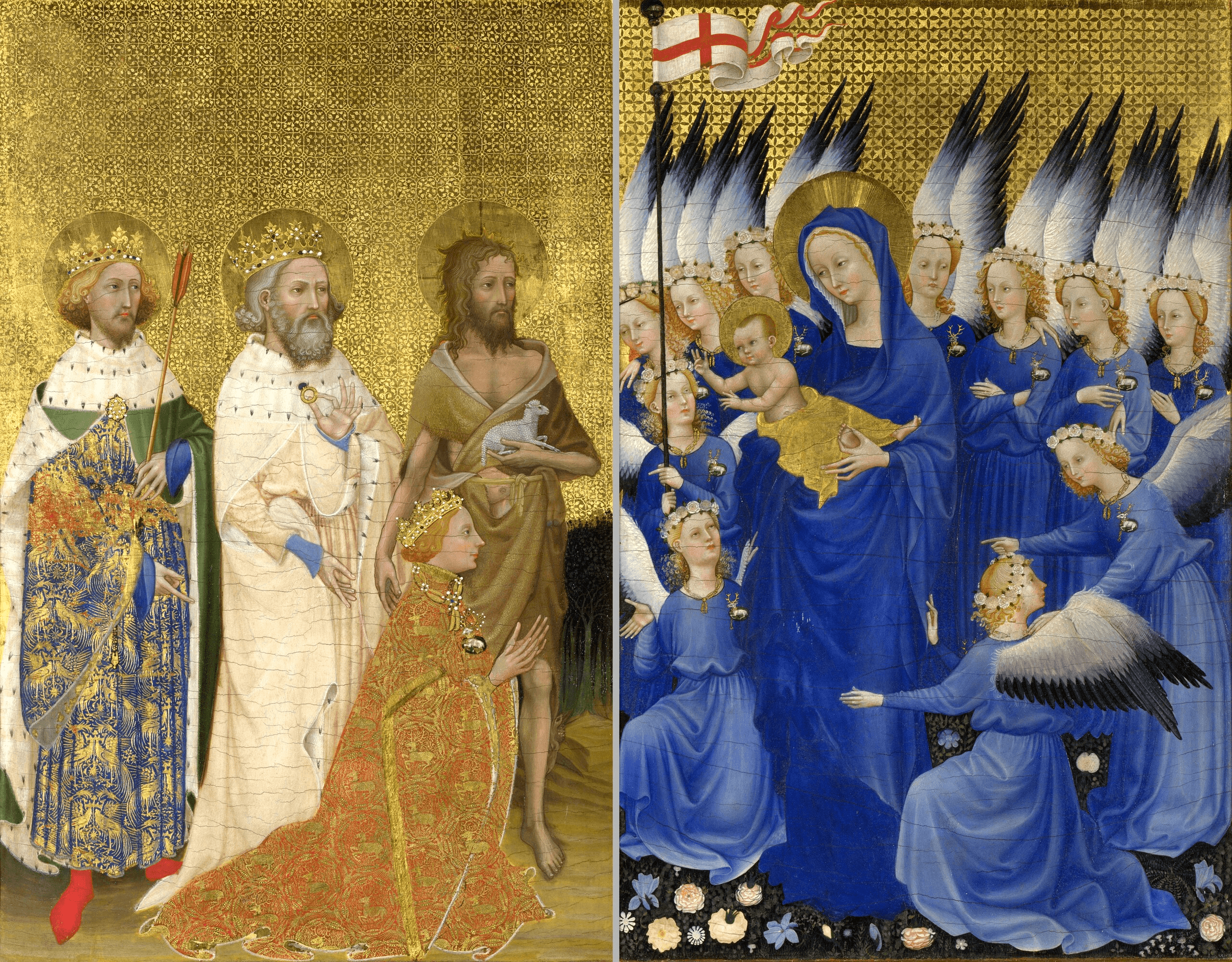
“This royal throne of kings, this sceptered isle. This earth of majesty, this seat of Mars. This other Eden, demi-paradise…This blessèd plot, this earth, this realm, this England…Is now leased out - I die pronouncing it - Like to a tenement or pelting farm.”
Shakespeare, Richard II, Act 2, Scene 1
Isembard is the west’s new Eden. An industrial colossus for the intelligence age. We will build the most valuable company in the world. And we will solve economic prosperity, security and purpose for the west along the way.
By ████, Isembard will operate in ███████████. [Full version available internally].
Isembard will win because it was built at the precise intersection of:
Historical timing
Exceptional talent
Structural advantage
Compounding intelligence.
We will emerge as globalisation fractures and industrial capacity once again became synonymous with national power, offering governments and critical industries not rhetoric but immediately deployable capability. From the outset, we will attract operators and engineers who understood real systems rather than abstractions, and aligned them through ownership, mission command, and a business model that rewarded performance at scale. Our hybrid structure (combining owned factories, franchised sites, software, financing, and ultimately vertically integrated products) allowed Isembard to scale faster and more capital-efficiently.
████ … [Full version available internally].
4. In search of the numinous
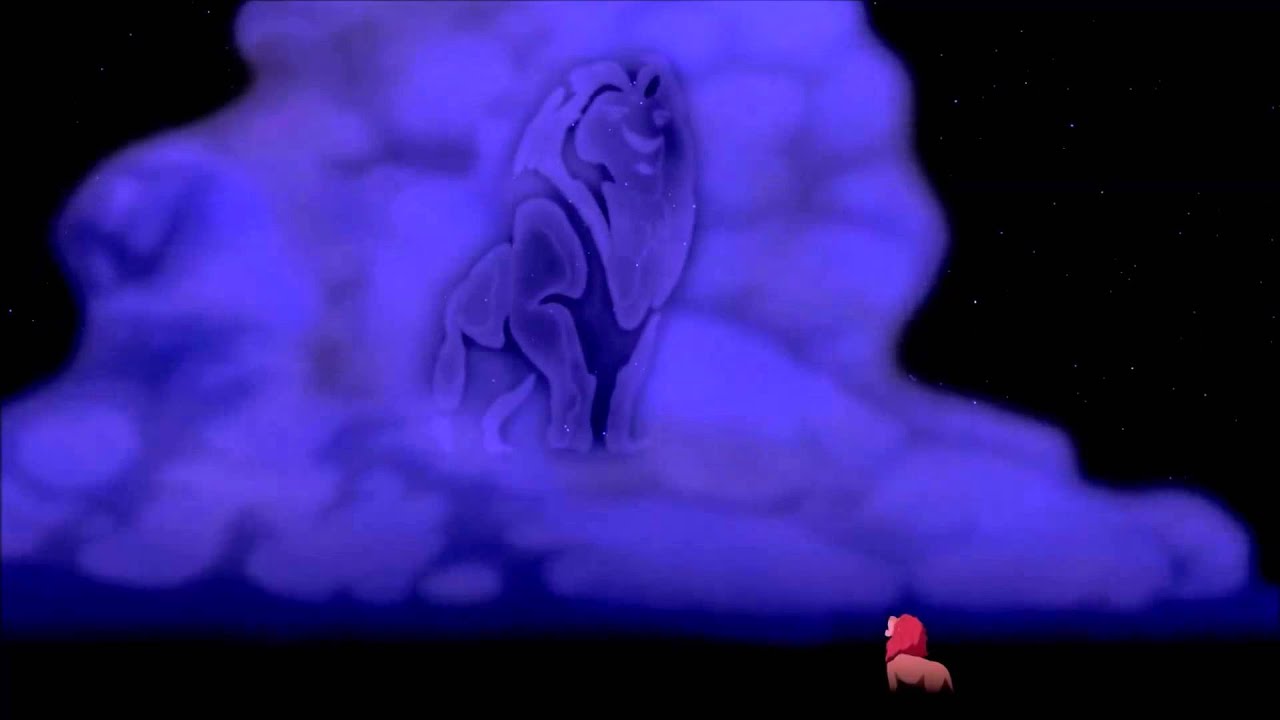
“Simba, you have forgotten me…You have forgotten who you are, and so have forgotten me. Look inside yourself, Simba. You are more than what you have become. You must take your place in the Circle of Life…Remember who you are. You are my son, and the one true king…Remember”
Mufasa’s Ghost, Lion King
Peter Thiel once framed the central question of a company’s story very simply: why will the 20th person join? A more interesting question is, why the 200th person will join? Why five or ten years in, someone with infinite options looks at this organisation and says: “That is the place where I can do the most important work of my life.”
The 200th person may ask themselves these questions:
Is this place truly unique?
Is this company working on problems that actually matter to the world?
Will I be trusted with real responsibility, not parked in a middle layer of bureaucracy?
Will I work with people who are better than me and make me better?
Will my work show up in reality, not just in documents and dashboards?
If this succeeds, will I be proud to have my name attached to it?
For them, Isembard offers three things.
First, a frontier that is real. Not a metaphorical “frontier market”, but a literal set of factories, machine‑tools, and programmes that affect the balance of power, the stability of energy systems, the resilience of supply chains. When they look up from their work, they should see ships, turbines, sensors, robots, and aircraft in the world, not just slides about them.
Second, a culture that treats them as principals, not passengers. The 200th person should have a line of sight from their decisions to outcomes in the field. That means compressing hierarchy where it slows learning, pushing ownership down into small, sharp teams, and insisting that “the people closest to the problem own the problem.” The principle of mission command.
Third, a sense for the numinous in work. It is an attempt to rebuild the industrial base of the free world using new tools. Creation is an act that edges towards the sacred: long nights in the shop to hit a delivery window, months of effort to qualify a new process, the pride of watching hardware you touched take its place in systems that matters. Whether in space, or under the sea, or on a Formula 1 track.
To make that real, we will continue to spend an outsized share of our time and effort on talent – searching for the people who cannot quite shake the feeling that their abilities are being wasted, and giving them a place where that tension resolves into purposeful work.
The factories, the technology, the business model, the capital – these are necessary. But the thing that will ultimately make Isembard worthy of the 200th or 2000th hire is simpler and rarer: a team of people who look at this strange, unstable, uncertain decade and decide that their answer is to build.
We will be ever in search of the numinous.
“I was already on pole, and I kept going faster and faster.
Suddenly I was nearly two seconds quicker than anybody else, including my team-mate, with the same car.
And suddenly, it dawned on me that I was no longer driving the car consciously.
I was driving it by a kind of instinct, only.
I was in a different dimension.
I was beyond conscious understanding.
It was a moment of clarity, of complete certainty.
I felt that I could do anything.
I could see the track in a different way, almost as if I was above it.
It was frightening because I suddenly realised that I was well beyond my conscious understanding.
I felt like I was in a tunnel, not only the tunnel under the hotel, but a tunnel everywhere, just driving and driving and driving.
I was far beyond the limit, but still within myself.
I felt so strong, so confident, so powerful.
I never had that feeling again.”
F1 World Champion Aryton Senna
BLOG AND ARTICLES
Imperial Partnership
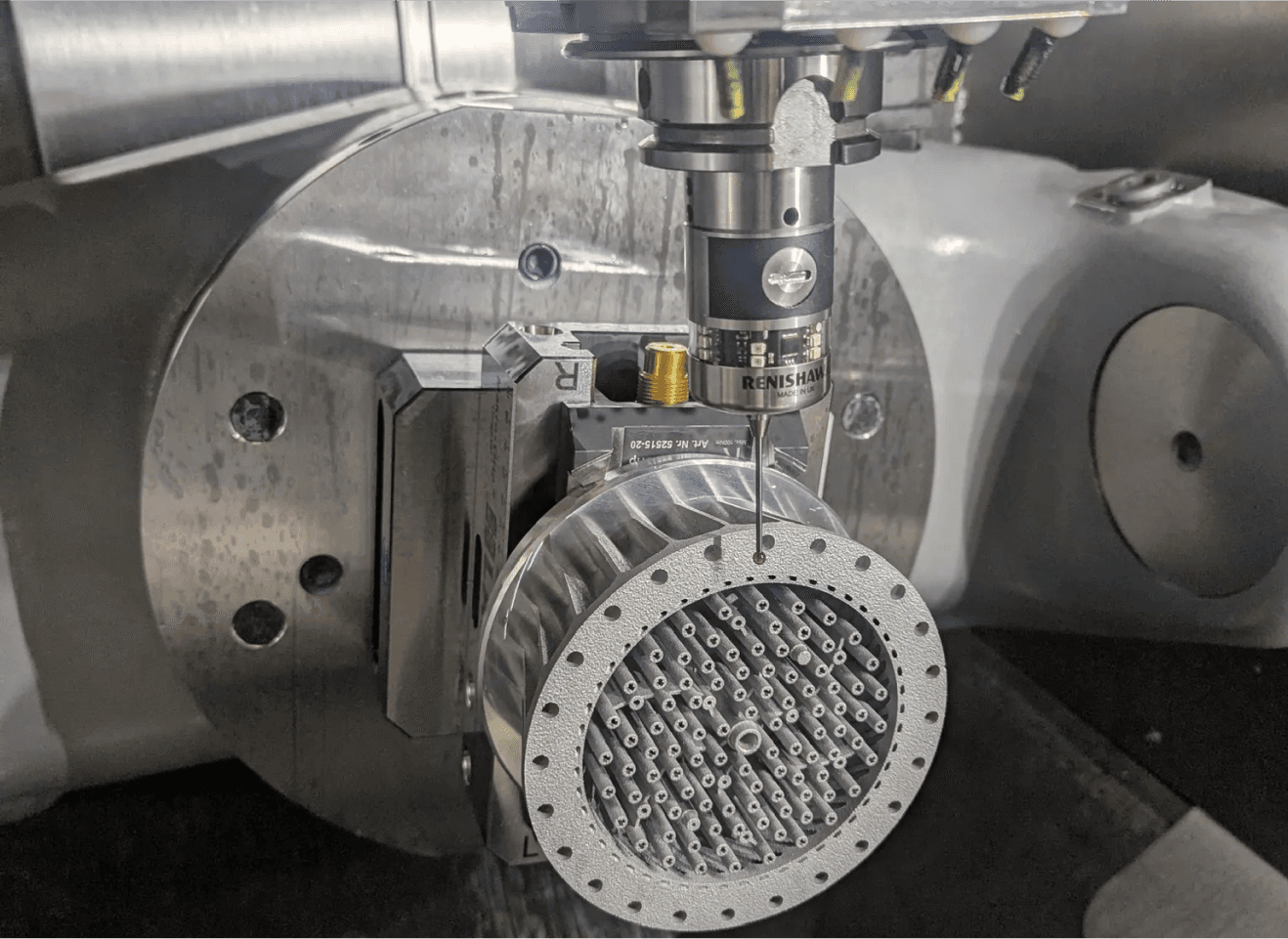
Isembard partnered with the Imperial College Space Society to deliver high-precision 5-axis components for their Project Kepler Rocket Engine and Project Stratus High Altitude Balloon.UK factory launch speech
March 10, 2025
Third Planet Orbital Partnership
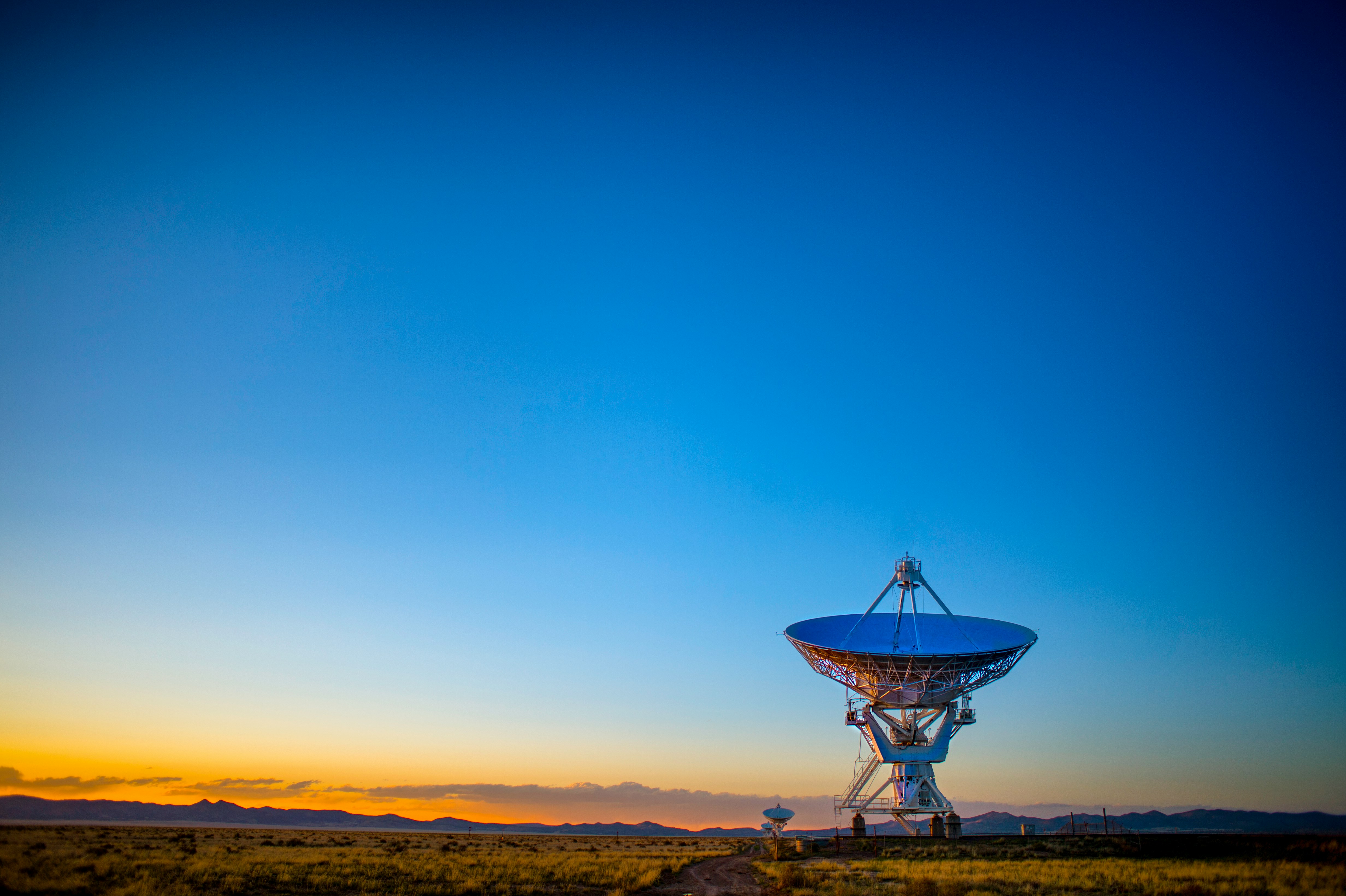
We’re thrilled to announce a partnership with Third Planet Orbital.
September 10, 2025
MasonOS launch
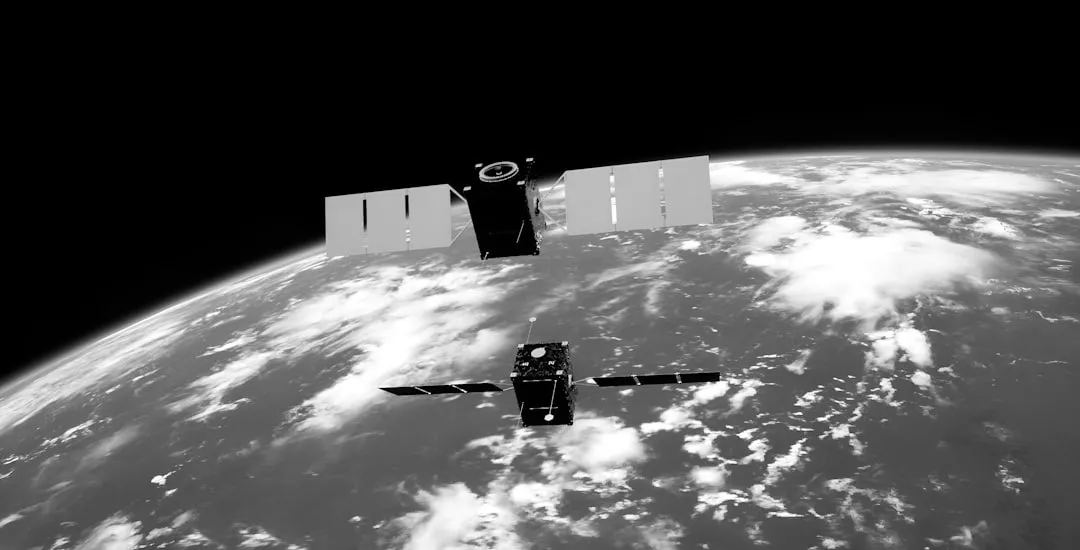
Today we announced MasonOS to the world
September 29, 2025
Franchise launch
Today we announced the Isembard franchise to the world
October 8, 2025